What Makes Medical Cannabis Different from Recreational Cannabis?

2026 April 13 | by: Marucanna Admin
Cannabis is often spoken about as a single substance, yet the reality is more complex. Medical cannabis and recreational cannabis are not interchangeable, and in the UK they exist in completely different legal and clinical frameworks. For patients exploring treatment options through a clinic such as Marucanna, understanding these differences is essential before making any decisions.
Legal status in the UK
The most important distinction sits in UK law.
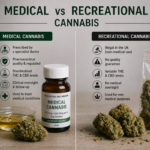
Medical cannabis is a prescribed treatment. It is only available through a specialist doctor following a clinical assessment. It is regulated under strict medical guidelines and supplied through licensed pharmacies.
Recreational cannabis remains illegal in the UK. Possession, cultivation, or supply outside a prescription context can result in criminal penalties.
This legal separation ensures that medical cannabis is treated as a controlled medicine rather than a lifestyle product.
Purpose of use
Medical cannabis is prescribed with a clear clinical goal. It is used to support specific diagnosed conditions where conventional treatments have not been effective or suitable. These may include chronic pain, multiple sclerosis-related symptoms, chemotherapy-related nausea, or certain anxiety disorders.
Recreational cannabis is used for non-medical purposes, typically for its psychoactive effects or relaxation. It is not designed, tested, or regulated for therapeutic outcomes.
The intention behind use changes how the product is formulated, prescribed, and monitored.
Composition and formulation
One of the key differences lies in cannabinoid content.
Medical cannabis products are carefully standardised. They are formulated with controlled ratios of THC (tetrahydrocannabinol) and CBD (cannabidiol), depending on the condition being treated. Each product batch must meet strict pharmaceutical quality standards, ensuring consistency in dosing.
Recreational cannabis varies widely in strength and composition. THC levels can fluctuate significantly, and there is no standardisation of CBD content or other cannabinoids. This lack of consistency makes it unsuitable for predictable medical use.
Prescribing and clinical oversight
Medical cannabis is only accessed through a prescription from a specialist doctor. At a clinic such as Marucanna, patients undergo a full medical assessment to determine suitability. If prescribed, treatment is monitored and adjusted over time based on response and side effects.
Recreational cannabis has no medical oversight. There is no prescribing doctor, no dosing guidance, and no structured follow-up.
Clinical supervision is a core part of medical cannabis treatment, ensuring safety and appropriate use over time.
Quality control and safety standards
Medical cannabis is produced under pharmaceutical-grade conditions. This includes testing for contaminants such as pesticides, heavy metals, and microbial impurities. The aim is to ensure that every dose is safe, consistent, and traceable.
Recreational cannabis does not follow these standards. The source, growing conditions, and processing methods are often unknown. This introduces variability in strength and potential exposure to harmful substances.
For patients with underlying health conditions, this difference in quality control is significant.
Dosing and administration
Medical cannabis is prescribed with specific dosing instructions. Patients are guided on how much to take, how often, and in what format (such as oil or flower for vaporisation). Adjustments are made based on clinical response.
Recreational use is self-directed, with no medical guidance. Dosing is inconsistent and often based on trial rather than clinical evidence, which increases the risk of unwanted effects.
Controlled dosing is one of the main reasons medical cannabis can be integrated into treatment plans safely.
Access pathways in the UK
Access to medical cannabis in the UK is restricted. Patients must be referred or assessed by a specialist clinic if they meet eligibility criteria. It is typically considered when standard treatments have failed or are not suitable.
Recreational cannabis has no legal access route. Any non-medical supply or use remains outside UK law.
Clinics such as Marucanna operate within this regulated framework to ensure patients receive appropriate care under medical supervision.
Why the distinction matters
Confusing medical and recreational cannabis can lead to misunderstanding about safety, effectiveness, and legality. Medical cannabis is not a general wellness product. It is a prescribed treatment used within a structured clinical system.
For patients considering this option, the key difference is control. Medical cannabis is guided by evidence, dosing, and on-going supervision. Recreational cannabis is not.
Final thoughts
Medical cannabis and recreational cannabis may come from the same plant, but their purpose, regulation, and use are fundamentally different. In the UK, medical cannabis exists as a carefully controlled treatment pathway designed for patients with specific clinical needs.
Understanding this distinction helps ensure informed decisions and appropriate expectations when exploring treatment options through a specialist clinic.