What Is the Most Anti-Inflammatory Cannabinoid?
2026 February 23 | by: Marucanna Admin
Inflammation is at the root of many chronic health problems. From arthritis and fibromyalgia to autoimmune conditions and persistent injuries, inflammation can cause on-going pain, stiffness and reduced quality of life. As interest in cannabis-based treatments grows, more patients are asking a specific question: which cannabinoid is best for reducing inflammation?
If you’re considering treatment through a medical cannabis clinic, understanding how different cannabinoids work, and which ones are most effective, is essential.
Understanding cannabinoids and inflammation
Cannabinoids are active compounds found in the cannabis plant. They interact with the body’s endocannabinoid system (ECS), which plays a key role in regulating inflammation, pain, immune response and overall balance.
When inflammation becomes chronic, the immune system stays in an overactive state. Certain cannabinoids can help calm this response, reducing inflammatory signals and, in turn, pain and tissue damage.
Not all cannabinoids work the same way. Some are better suited to pain relief, while others directly target inflammatory processes.
CBD: The most recognised anti-inflammatory cannabinoid
Cannabidiol (CBD) is widely considered the most important cannabinoid for inflammation, and for good reason.
CBD works by influencing immune cell activity and reducing the production of pro-inflammatory molecules called cytokines. Unlike THC, CBD does not produce intoxicating effects, making it suitable for patients who want relief without feeling “high”.
Research and patient outcomes suggest CBD may help with:
- Arthritis and joint inflammation
- Neuropathic pain
- Autoimmune conditions
- Muscle injuries
- Inflammatory bowel disease
CBD is often the foundation of cannabis for pain treatment plans, particularly for patients new to medical cannabis.
THC: Powerful anti-inflammatory effects with added pain relief
Tetrahydrocannabinol (THC) is commonly associated with psychoactive effects, but it is also a strong anti-inflammatory compound.
THC works differently from CBD. It directly activates CB1 and CB2 receptors in the endocannabinoid system, helping to reduce pain signals and inflammatory activity simultaneously.
THC is particularly effective for:
- Severe chronic pain
- Nerve inflammation
- Conditions like multiple sclerosis
- Pain that has not responded to other treatments
Many patients at a medical cannabis clinic are prescribed a combination of CBD and THC because they work better together than alone, a phenomenon known as the “entourage effect”.
CBG: The emerging anti-inflammatory cannabinoid
Cannabigerol (CBG) is gaining attention for its strong anti-inflammatory potential. While less well known than CBD or THC, early research shows CBG may directly reduce inflammation in the gut, nervous system and immune tissues.
CBG may be especially useful for:
- Inflammatory bowel conditions
- Neuroinflammation
- Certain autoimmune disorders
Because CBG is non-intoxicating, it offers another option for patients who want therapeutic effects without cognitive impairment.
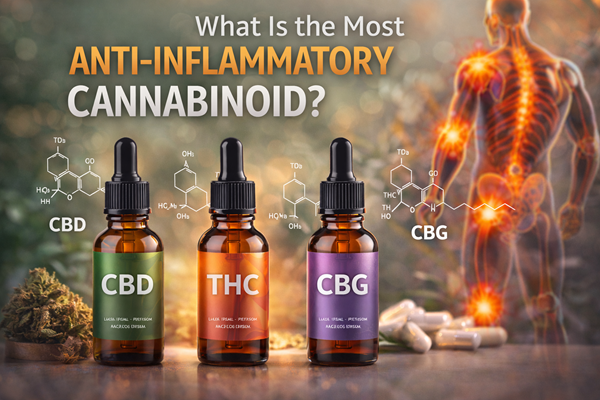
CBD vs THC vs CBG: Which is most anti-inflammatory?
There is no single “best” cannabinoid for everyone, but CBD is generally considered the first-line anti-inflammatory cannabinoid due to its safety profile, effectiveness and lack of psychoactive effects.
However, the most effective approach for many patients is a tailored combination:
- CBD – reduces inflammation and immune over activity
- THC – reduces pain and enhances anti-inflammatory effects
- CBG – offers additional targeted anti-inflammatory support
This combination approach is increasingly used in cannabis for pain management through regulated clinics.
Why personalised treatment matters
Inflammation affects everyone differently. The cause, severity and location all influence which cannabinoid, and what dose, will work best.
This is why treatment through a specialist medical cannabis clinic is important. A qualified clinician can assess your condition, medical history and symptoms, then prescribe a cannabis-based treatment designed specifically for you.
Patients using medical cannabis legally in the UK often report improvements in:
- Chronic pain levels
- Mobility and function
- Sleep quality
- Overall quality of life
Importantly, treatment is monitored and adjusted over time to ensure optimal results.
Is medical cannabis right for inflammatory conditions?
Medical cannabis is not a miracle cure, but for many patients it provides meaningful relief where other treatments have failed or caused unwanted side effects.
Conditions commonly treated include:
Clinics such as Marucanna provide legal access to cannabis-based medicines in the UK, helping patients explore safe and regulated treatment options.
The bottom line
CBD is widely regarded as the most important anti-inflammatory cannabinoid, but it is often most effective when combined with THC and sometimes CBG. The right balance depends on your specific condition, symptoms and treatment goals.
If you’re living with chronic inflammation or pain, consulting a medical cannabis clinic can help you understand whether cannabis-based treatment is appropriate and how it can be used safely and effectively.
For many patients, cannabis for pain and inflammation is no longer experimental, it’s a legitimate medical option that is improving lives across the UK.