Switching From Recreational Cannabis to a Medical Prescription: What to Expect in the UK

2026 March 9 | by: Marucanna Admin
For some people, cannabis use did not begin in a clinic. It began informally.
Chronic pain, insomnia or anxiety may have led to experiments outside the medical system. Over time, questions tend to follow. Is this legal? Is it consistent? Is it safe? Would a prescription change anything?
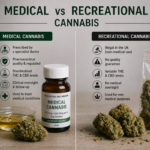
In the UK, recreational cannabis remains illegal. Medical cannabis has been lawful via specialist prescription since 2018. The difference is not simply paperwork. It’s regulation, oversight and clinical accountability.
Understanding what actually changes when moving from informal use to a regulated medical pathway is essential before making any decision.
Recreational vs prescribed cannabis: What changes in practice?
The first difference is the source.
Recreational cannabis is obtained through unregulated supply chains. Potency, purity and cannabinoid balance are often unknown. Independent testing is not guaranteed.
Prescribed medical cannabis in the UK is produced under controlled standards. Products are batch tested. Cannabinoid content is labelled. Quality control forms part of the regulatory framework.
The second difference is medical oversight.
Recreational use involves no formal assessment of diagnoses, contraindications or drug interactions. Medical prescribing requires a specialist evaluation, a review of prior treatments, and structured follow-up.
The third difference is legal protection.
Possession of recreational cannabis remains unlawful. Medical cannabis is legal when prescribed by a specialist and used in accordance with that prescription.
These distinctions matter. They affect safety, documentation and long-term management.
Understanding eligibility in the UK
Switching to a prescription is not automatic. It involves clinical criteria.
In most UK clinics, patients are generally expected to have a diagnosed medical condition. Chronic pain, certain neurological conditions and other persistent disorders are commonly assessed as categories.
Evidence of prior treatments is usually required. This may include medication, physiotherapy, psychological therapy or other conventional approaches.
Symptoms should be ongoing rather than short-term. Acute issues are rarely suitable for this pathway.
Clinicians also review potential contraindications. Certain psychiatric histories, cardiovascular risks or medication interactions may influence their suitability.
Eligibility is determined case by case. It is not based solely on prior cannabis use.
What the consultation process looks like
The process is structured.
Many clinics begin with an initial eligibility screening. This may involve a questionnaire reviewing medical history and current symptoms.
If appropriate, medical records are requested. Documentation helps confirm diagnosis and previous treatments.
A consultation with a specialist follows. We discuss symptom patterns, prior therapies, and treatment goals in detail during this appointment.
If a prescription is considered suitable, the formulation type and dosing strategy are agreed upon collaboratively. Follow-up appointments are scheduled to monitor responses and adjust them if required.
It is important to understand that a prescription is not guaranteed. Assessment can result in alternative recommendations.
What surprises people the most?
People who transition from informal use often expect similarity. In practice, several aspects differ.
First, prescribing is cautious. Clinicians typically begin with conservative dosing strategies. Titration may occur gradually.
Second, products differ in composition. Some individuals accustomed to high-THC recreational strains may find medical formulations balanced differently, particularly when cannabidiol is included.
Third, monitoring is ongoing. Follow-up appointments assess symptom responses, side effects, and functional outcomes. Adjustments are data-driven rather than preference-driven.
Fourth, documentation exists. Prescriptions, invoices and clinic letters create a formal medical record.
These elements shift the experience from personal experimentation to supervised therapy.
Formulation and consistency
Medical cannabis in the UK is available in regulated formats. These may include dried flower for vaporisation or oil-based preparations.
Cannabinoid ratios are measured. THC and CBD content are clearly labelled. Batch variability is reduced compared to unregulated sources.
Vaporisation devices used in medical contexts differ from the combustion methods associated with recreational use. Oils offer alternative administration routes with different onset and duration profiles.
Dosing is individualised. There is no universal standard. The aim is symptom control with tolerable side effects under supervision.
Consistency is one of the main reasons individuals consider switching. Predictable formulation reduces uncertainty.
Safety considerations
Moving to a prescription introduces structured safety monitoring.
Clinicians review potential interactions with existing medications. Blood pressure, mood changes and cognitive effects may be discussed where relevant.
Side effects vary by individual and formulation. Commonly reported effects can include fatigue, dizziness or a dry mouth. Not everyone experiences these.
Driving regulations apply. Patients must ensure they are not impaired. Legal protection depends on adherence to prescription and responsible use.
Workplace considerations differ depending on employment type. Disclosure is a personal decision, though certain safety-critical roles may require specific assessment.
The presence of medical supervision does not eliminate responsibility. It introduces accountability.
Addressing common concerns
Will my GP be informed?
Communication between private clinics and NHS GPs varies. Some clinics write to the GP with patient consent. Patients remain under the care of their GP for other aspects of health.
Is switching to a different treatment a guarantee of better results?
No treatment guarantees outcomes. Some patients report improved symptom control under regulated care. Others may find limited benefit. Assessment is individual.
Is medical cannabis addictive?
Dependence risk exists with many medications, including opioids and benzodiazepines. Clinicians evaluate history and monitor patterns of use. Structured prescribing reduces uncontrolled escalation.
Can I continue recreational use alongside prescription?
This is typically discouraged. Mixing regulated and unregulated sources complicates monitoring and safety assessment.
When switching may not be appropriate
Transitioning to a prescription is not suitable in every case.
Individuals without a formal diagnosis are unlikely to meet eligibility criteria.
Those seeking purely recreational access will not find that pathway through medical clinics.
The clinical framework may seem restrictive to patients who are used to having a wide range of product options.
Alternative management may be necessary initially for those with specific untreated mental illnesses.
Clarity of intent matters. Medical cannabis exists within a therapeutic context.
A practical decision checklist
Before pursuing a prescription, consider the following questions.
- Have I received a confirmed medical diagnosis?
- Have I trialled standard treatments appropriate for my condition?
- Am I seeking symptom management within a structured medical framework?
- Am I prepared for ongoing review and documentation?
- Am I willing to use regulated products rather than informal sources?
Honest answers improve decision quality.
The broader perspective
Switching from recreational cannabis to a medical prescription in the UK represents more than legal compliance. It reflects a shift toward accountability, consistency and clinical partnerships.
For some individuals, that structure offers reassurance. For others, the requirements may feel restrictive.
The appropriate pathway depends on a diagnosis, treatment history, and realistic expectations.
If you are exploring whether a regulated medical assessment may be suitable, reviewing your medical history with a specialist can clarify your options and help determine whether prescription-based care aligns with your circumstances.