How CBD Fits into Modern Wellness
2025 December 9 | by: Marucanna Admin
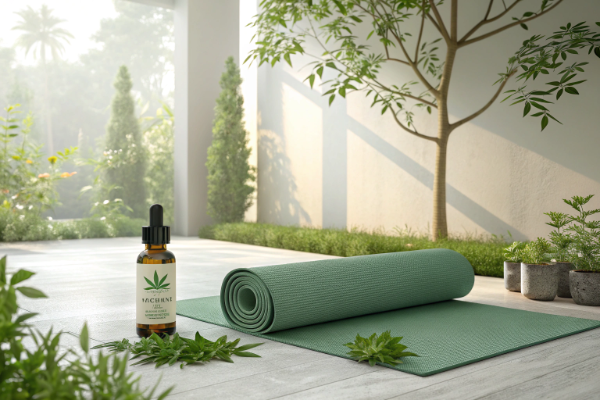
CBD has become a steady part of many people’s wellness routines, even if they all use it in slightly different ways. Some take a small dose before a stressful meeting. Others prefer it in the evening, mixed into a calming routine with herbal tea, stretching or quiet time away from screens. It has gone from being a niche supplement to something you can find in mainstream health stores, yoga studios and even some workplaces.
What has changed in the last two years is the science. Research is moving quickly and is finally starting to answer a few of the questions people have been asking for years. It is still far from complete, but the picture is clearer than ever. CBD is not a miracle fix, and it was never supposed to be one, but it does seem to support certain areas of wellbeing when used in the right way.
Below is what the latest evidence actually shows, along with how real people tend to use CBD day to day.
What current research suggests CBD may support
Anxiety and stress
One of the most common reasons people turn to CBD is to steady themselves during stressful moments. Studies from 2024 and 2025 show that CBD can reduce anxiety during specific high-pressure situations, particularly ones involving performance or public scrutiny. A lot of users describe it as taking the “edge” off rather than removing anxiety completely.
Outside controlled trials, many people use CBD as part of a personal coping routine. For example, a small dose before commuting, meditation or a difficult conversation can make the situation feel more manageable. Scientists think this effect is linked to how CBD interacts with serotonin receptors and with pathways that regulate threat perception.
Daily, long-term anxiety is more complicated. The research is early, but CBD appears to be more helpful for short bursts of stress than for constant, ongoing anxiety. It works best when paired with good habits rather than used on its own.
Pain and inflammation
CBD is often linked to pain relief, and a lot of people try it for sore joints, gym recovery or chronic niggles that flare up during busy weeks. The studies on pain are mixed, but that does not make them useless. Some trials show meaningful reductions in discomfort, particularly for inflammation-related issues. Others show very little difference.
In reality, pain is personal. Some individuals feel a noticeable shift with regular CBD use, while others may not feel anything at all. Researchers are confident CBD has anti-inflammatory properties. The question is how strongly those properties translate into day to day relief. Topical CBD seems to perform better for localised pain like knees, wrists or lower back tension.
Sleep and relaxation
CBD appears to support sleep when stress is the barrier. Many users say they fall asleep more easily after taking a measured dose about an hour before bed. The scientific evidence supports this idea: CBD may help calm the mind rather than act as a direct sedative.
For people who struggle with racing thoughts or evening overstimulation, CBD can serve as a simple pre bed ritual. It tends to work best when combined with common-sense sleep practices such as reducing blue light and avoiding heavy meals late at night.
Brain health and cognitive support
Although still in the early stages, a growing number of studies are exploring CBD’s role in memory, focus and long-term brain health. Some early findings show reduced neuroinflammation and small improvements in recognition memory. These results are too early to count as proven benefits, but they point towards interesting possibilities for healthy ageing.
Some studies also show changes in blood flow to regions of the brain linked to decision-making. These changes do not immediately translate into stronger cognitive performance, but they suggest CBD interacts with the brain in more ways than previously understood.
Where the evidence is still unclear
Broad wellness claims
The wellness industry often pushes CBD as an all-round fixer for mood, energy, focus and general vitality. The science does not support these broader claims yet. That does not mean CBD has no effect. It means researchers cannot confirm that these benefits happen consistently across large groups.
A lot of the general “feel good” effects people describe may come from the routines around CBD, such as taking a moment to unwind or intentionally slowing down. These habits matter just as much as the supplement itself.
Long-term daily use
Short-term use at typical wellness doses appears safe for most healthy adults. What scientists still want to understand is what happens with long-term, everyday use over months or years. Some trials have shown temporary changes in liver enzymes at higher doses, which is why caution is advised for anyone on medication.
Experts currently recommend choosing quality products, keeping doses sensible and avoiding mixing CBD with alcohol or strong medication unless medically approved.
Product purity
Not all CBD products are equal. Some contain less CBD than the label claims, some contain more, and a few include extra cannabinoids that are not listed. Lab transparency makes a big difference and should always be checked before purchasing.
How CBD is being used in modern wellness routines
CBD fits into wellness best when treated as a light, supportive tool. People tend to get the most benefit when they use it intentionally rather than automatically.
Common examples include:
- Taking a small dose before a stressful task
- Adding CBD to a post workout wind down for muscle tension
- Using a topical cream on joints after long hours sitting at a desk
- Pairing CBD with breathwork or meditation
- Including it in a calming night routine during busy periods
This approach keeps expectations realistic and helps the user identify what actually works for their body.
How to choose and use CBD sensibly
A few simple steps make CBD far more effective:
- Start with low doses and build up slowly
- Buy from brands that publish lab results for each batch
- Avoid mixing CBD with certain medications unless cleared
- Use CBD at times when calmness or focus are needed most
- Experiment with timing such as morning vs evening
CBD is not supposed to override poor lifestyle habits. Instead, it supports a foundation built on sleep, diet, movement and stress management.
What are scientists focusing on next?
The next phase of research aims to answer questions that matter for everyday users. Researchers want to know:
- Which doses create reliable, measurable changes
- How long term daily use affects different age groups
- Which types of pain respond best
- How CBD interacts with other cannabinoids and terpenes
- How individual biology influences its effectiveness
- Whether CBD plays a role in long term cognitive resilience
These areas are crucial for understanding the real potential of CBD in modern wellness.
Final thoughts
CBD has earned its place in the wellness world, not as a cure-all, but as a calming and supportive addition to everyday life. It helps many people feel more settled during stressful moments, wind down in the evenings or manage mild inflammation. Its effects are subtle rather than dramatic, which is exactly why it blends well into daily routines.
The science is clearer than ever. Some benefits are promising. Others are still developing. When used mindfully, CBD can become a small but reliable part of a balanced lifestyle. It does not replace healthy habits, but it can make those habits easier to maintain.